
Upland Neighbors by Block
A block question has several public-record layers, and each layer answers a different part of it. The assessor map is the starting point for adjacent parcels. The city map adds boundaries and civic context. Deeds can follow owners after a parcel has been identified, while permits and historical directories add dated events. A voter file is not a public browsing tool and community rosters are not assumed to be open. Use the coverage table as a source map, not as a promise that every neighbor appears in every row.
| Source | What It Shows About a Block | Access |
|---|---|---|
| ARC Parcel Access | Parcel boundaries, APNs, assessment fields, situs and mailing information where displayed | Free interactive map |
| Upland Community View | Parcels plus zoning, historic districts, schools, parks, pressure zones and public facilities | Free city map |
| Recorder index | Ownership transactions after the parcel owner is known | 1925-present index; copies or office access |
| Permits and code records | Address, APN, project work, applicant, owner, contractor and dates | Portal where indexed; focused request fallback |
| Authorized voter file | Permitted residence and precinct fields for an approved purpose | Application and Elections Code limits |
| Directories, yearbooks and newspapers | Historical listed occupants, businesses, clubs and community ties | Upland Library and digital collections |
Owners and occupants are not interchangeable. A parcel can be held by a trust or entity, receive tax mail at another address, or be occupied by people who do not appear in an owner field. The table helps answer “which parcels surround this one?” before a separate source is asked whether it says anything about a person.
Upland Parcels Around One Address
The documented adjacent-parcel method is manual. Open San Bernardino County Assessor Property Information and Parcel Access, search the target address or APN, and zoom until parcel lines are clear. Upland Community View is a useful second map for city and district layers. A verified radius or buffer export was not found, so do not promise an automatic block report.
- Normalize the target street number, direction, and suffix, then save the target APN and situs address.
- Click each parcel sharing an edge with the target, and then inspect across-street parcels when the block question calls for them.
- Record each neighboring APN before reading its parcel details. This prevents a map label from being mistaken for a complete owner record.
- Compare situs and mailing fields, and flag any parcel that is outside the incorporated city or carries a different postal identity.
- Use the recorder, permit, or historical source only after the neighboring parcel has its own identifier and date range.
This process keeps the block tied to real parcels rather than to a search result that may merge units or repeat an old address. For a whole named street and its full address chain, the Upland street directory uses a broader street-by-street method.
Upland Owners and Occupants
An assessor parcel card is an assessment record. It may show an assessed owner, a tax-bill mailing address, a situs address, values, exemptions where legally displayable, and property characteristics. ARC cautions that assessment data do not determine legal ownership or permitted use. A recorded deed is the better source for title, while a permit names roles in a project. Neither source is a full account of who lives inside a building.
- Owner
- The assessed or recorded party connected to a property record. The name may be an individual, trust, or entity.
- Occupant
- A person using or living at a place. Public parcel data do not promise that every occupant will appear.
- Situs address
- The physical location of the parcel, used to tie a map point to land and a jurisdiction.
- Mailing address
- The destination for tax or other correspondence. It is not proof of a person's current home.
A matching situs and mailing address can be a clue about owner occupancy, but it remains a clue. A different mailing address can indicate only where correspondence goes. Keep that distinction visible when looking up nearby households, especially on a block with rentals, family households, trusts, or business-held parcels.
Upland Voter Files by Street
California's public voter-status page is for the authenticated voter. It asks for the exact registration name, date of birth, and a California driver's license or ID number or last four digits of a Social Security number. It reports status, address, party preference, polling place, election information, and related fields for that person. It cannot be used to browse a street.
A broader county voter file can contain name, date of birth, registration date, residential and mailing address, precinct, contact information, party preference, participation history, and political districts, with confidential identifiers withheld. Access is limited to authorized election, scholarly, journalistic, political, governmental, and other qualified purposes under Elections Code sections 2180-2194.1. Commercial use and harassment are prohibited.
The San Bernardino County Registrar of Voters records office requires a request describing the applicant, geography or product, statutory purpose, users, security, storage, and intended use, with an original wet signature. Qualified data may support a block study, but a public Upland neighbors lookup cannot skip that purpose review. Safe at Home and confidential registration rules also protect qualifying addresses.
Upland Community View Layers
The city's Upland Community View and online maps add context around a parcel without becoming a neighbor roster. The verified map links include parcels and property data, zoning, historic districts, voting districts, public schools and school districts, parks, pressure zones, public facilities, Metrolink, and airport safety information. A layer can explain why two nearby parcels use different offices or rules.
Use the map as a visual check after saving APNs. A historic-district layer can suggest where photographs, city documents, or older directories may be useful. A school or voting-district layer can explain civic geography. A zoning or pressure-zone layer provides land and service context. None of these layers identifies every household, private association member, renter, or visitor.
When map selection is hard, use manual adjacent clicks rather than guessing from a street label. The research did not verify a stable buffer tool or a public export of every neighboring parcel. The safest result is a short list of APNs with source dates, not a claim that a map has revealed all Upland neighbors.
Upland Neighborhood Names
Geographic names help organize a block search, but they do not prove a private roster or association boundary. Upland's records geography includes the historic Euclid spine, the older North Ontario and Magnolia vocabulary, foothill and northern areas, planned development, and the Foothill commercial corridor. Use the names below as research clues, then verify the parcel and custodian.
| Area or corridor | Verified local context | Useful block layer |
|---|---|---|
| Downtown and Euclid | Historic civic and commercial spine | Historic photos, city records, directories |
| Old Magnolia and North Ontario core | Pre-1906 place-name history | Newspapers, directories, water-history material |
| North Upland | Northern city geography and newer parcel or permit trails | Assessor, GIS, permits |
| San Antonio Heights | Unincorporated area with a 91784 postal identity | County land-use, fire, and address custodians |
| Colonies and College Park | Named planned or local development areas | Parcel and community context; verify local boundaries |
| Foothill and Route 66 | Commercial corridor with highway-era history | Business licenses, news, photographs |
No verified official citywide HOA or neighborhood-association membership directory was located. Member rosters are private unless an organization publishes a public contact page or historical archive. Do not turn a neighborhood name into an invented list of residents.
Upland Historic Block Sources
Historical block research is often easier through community memory than through a modern parcel card. Upland Public Library's non-circulating Local History Collection reaches the late 1800s and includes newspapers, photographs, yearbooks, oral histories, city and business documents, and directories. California Revealed digitizes Upland News, founded in 1901 as the North Ontario News. Search exact names, initials, spouse names, street names, businesses, and both North Ontario and Magnolia.
Yearbooks can reconnect classmates and faculty. Photographs can tie a surname to a civic place, business, school, or event. Hispanic oral histories may preserve name variants and community memory that an index flattens. Esther Boulton Black and Edna Swan collections add people, journalism, portraits, and local business context. These sources describe a dated community moment, not a current neighbor list.
For a block history, line up a newspaper notice or directory address with the APN and a census year. The Upland Library local-history page gives the collection contact and access details. Staff can confirm which volume, school year, or digitized item is actually held rather than guessing a publisher or year run.
Upland Neighbor Tools Compared
Official records and commercial neighbor tools are not equal sources. The official path is narrower, slower, and tied to a named custodian, but its fields and limits can be checked. A commercial compilation may combine parcel, directory, and marketing data, charge a fee, lag a correction, omit protected people, or attach the wrong person to an address. Treat it as an unverified lead, never as a final block record.
| Source | Strongest use | Known boundary |
|---|---|---|
| County parcel map | Find adjacent parcels and APNs | Does not list every occupant |
| Recorded deed index | Follow owners after a parcel is identified | 1925-present web index; no address search |
| Community View | Add civic, zoning, school, and historic context | Map context is not title or membership proof |
| Qualified voter file | Permitted street or precinct research | Purpose, signature, privacy, and use restrictions |
| Commercial compilation | Possible clue that needs source checking | May merge names, stale fields, or omit protected people |
That comparison keeps the block question grounded rather than in an overbroad promise. Save the source date and field for every claim, and verify an important fact with the office that holds the underlying record.
Upland Privacy and Safe at Home
California privacy rules can close a neighbor trail even when a parcel map is public. The California Consumer Privacy Act and California Privacy Rights Act provide covered consumers rights to know, delete, correct, and opt out of sale or sharing, subject to exemptions. Those rights affect commercial compilations; they do not automatically erase lawful recorder or court records.
The California Privacy Protection Agency provides the state privacy-rights context for deletion and opt-out questions.
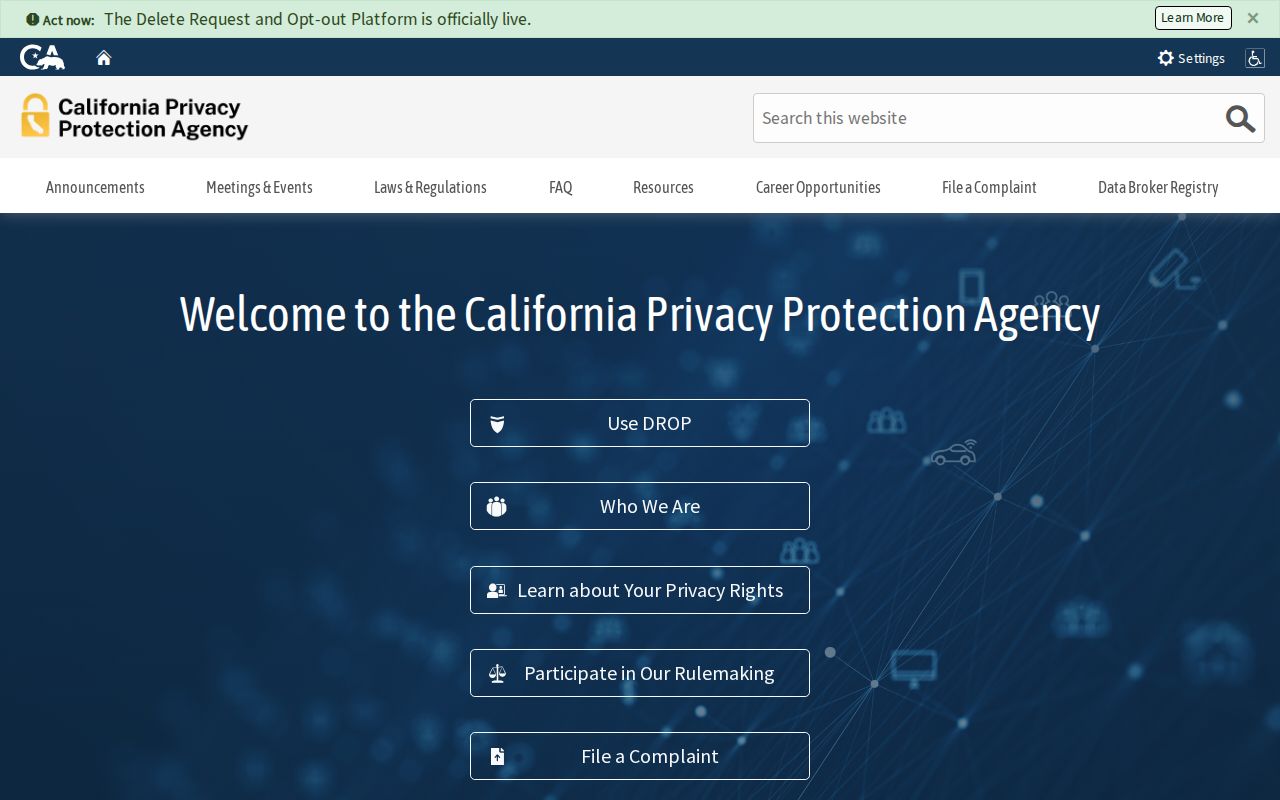
The captured agency page is a reminder to use the current state guidance for a covered commercial request. A private data compilation is not the same thing as a county parcel record, and an opt-out request does not create a right to a replacement household list.
The California Attorney General's CCPA guidance adds plain-language privacy information for consumers.
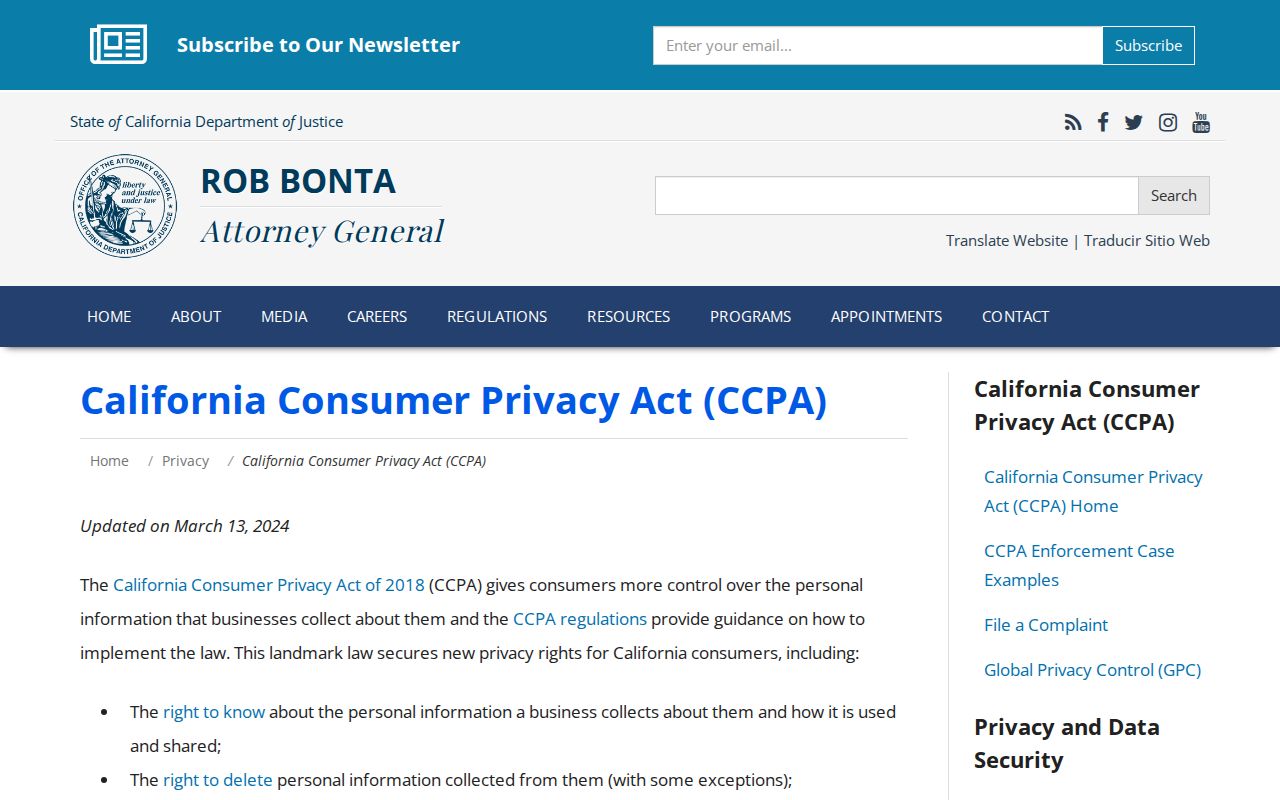
Safe at Home supplies eligible survivors and certain protected workers or patients with a substitute mailing address and mail forwarding. Confidential voter-registration addresses have separate safeguards. A neighbor search should never copy a protected address from a source or treat the absence of a public record as evidence about a person.
Upland Block Safety Reports
A block lookup can also reveal scams aimed at property owners, families, or public-record users. Warning signs include an official-looking deed-copy mailer, a property-fraud solicitation, a fee request for free unclaimed-property help, or a court call demanding gift cards. Verify through a published custodian number and compare the APN, document number, or case number before sending money or personal data.
The U.S. Postal Inspection Service reporting page is an appropriate source when a suspicious postal notice is the problem.
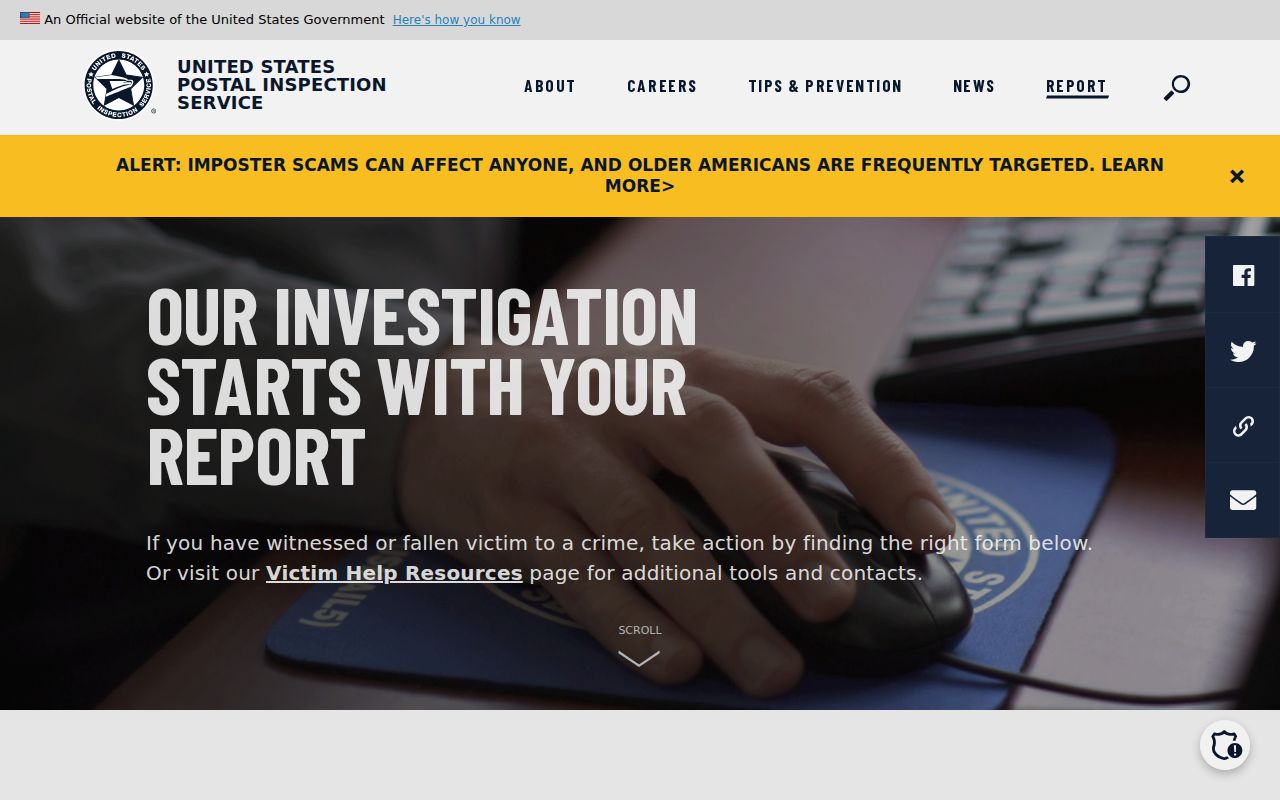
The postal report screen connects a block-related mail scam to the federal channel that reviews postal misconduct. It does not identify people, and it should not be used to report a person merely because a parcel record is public.
For a broader fraud report, use the Federal Trade Commission ReportFraud channel.
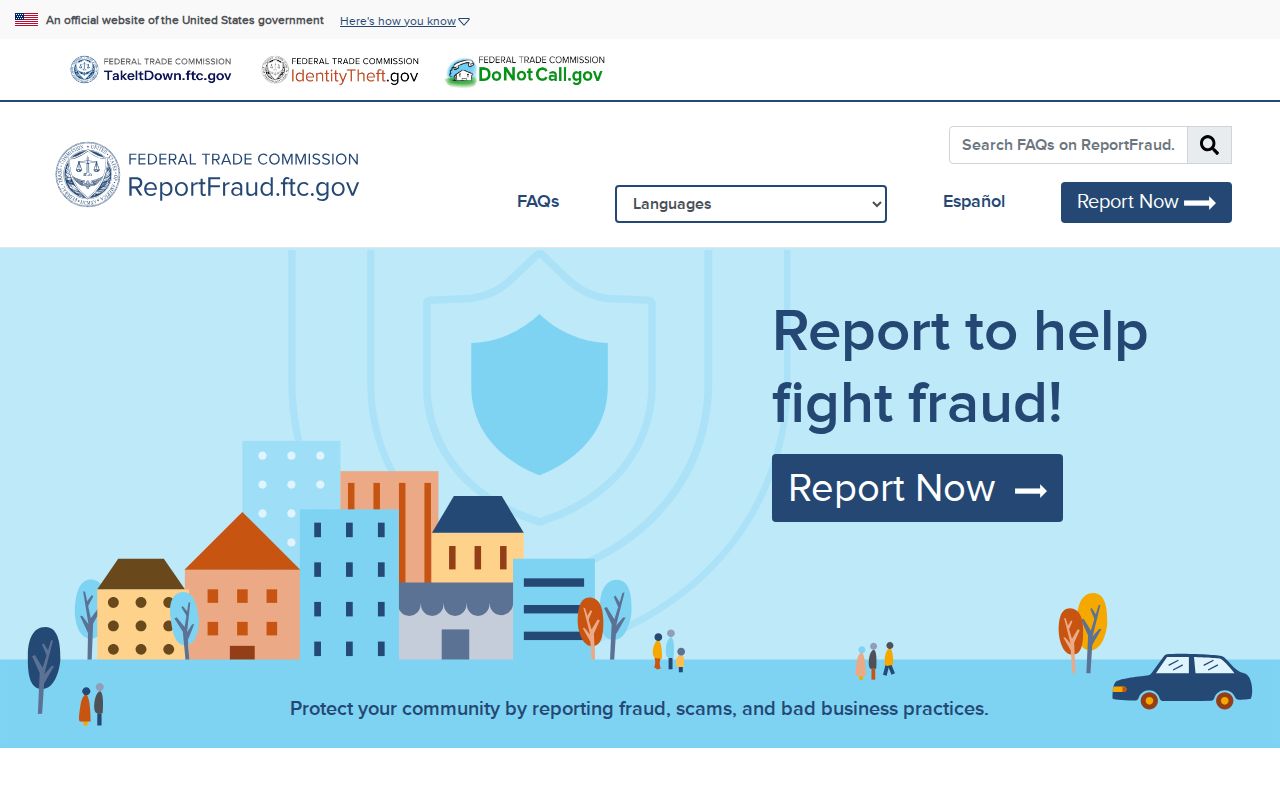
The FTC route is a consumer-reporting channel for a suspected scam, not a directory search. Keep copies of the notice, dates, payment details, and the source address that made the claim.
When the issue is a commercial data company or a privacy practice, the California Attorney General consumer complaint route provides another official reporting path.
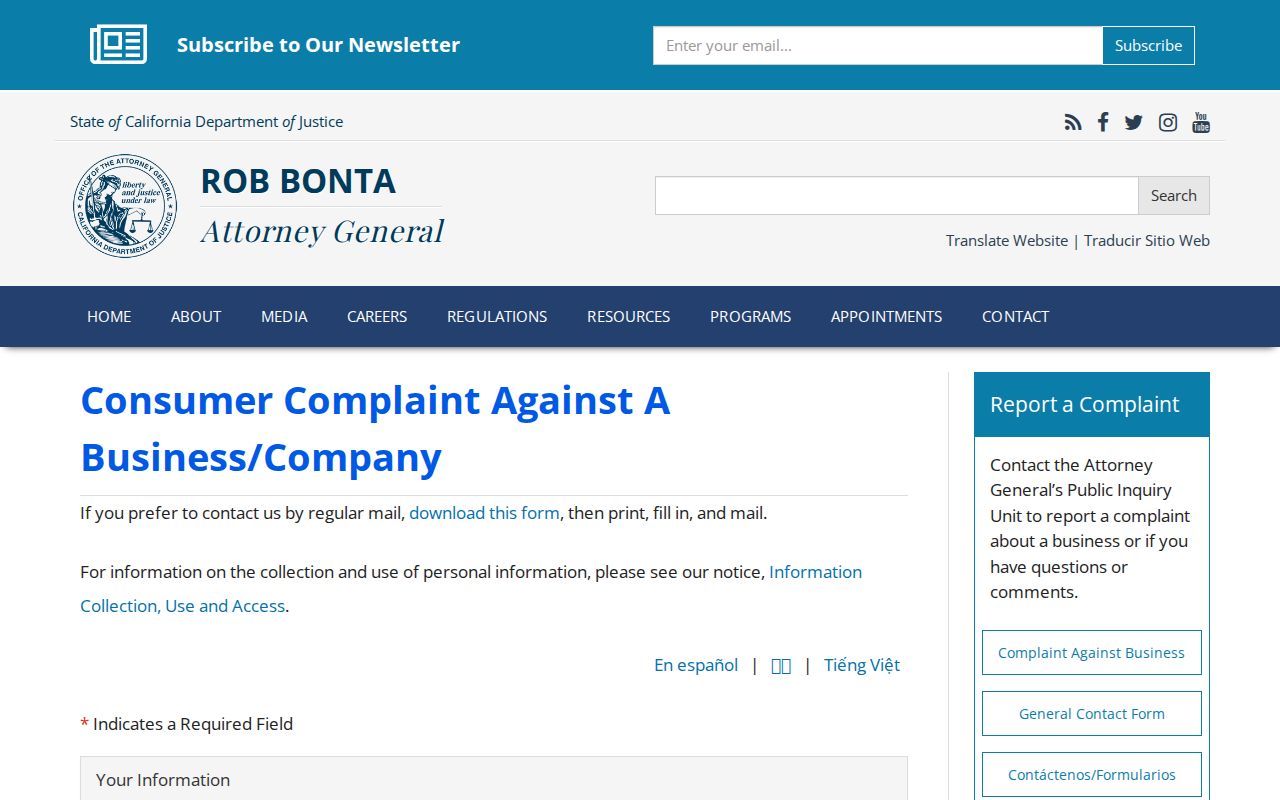
Use the complaint form for the conduct at issue, not as a way to ask the state for a private roster. A safe block lookup protects both the person doing research and the people whose information may appear in a public record.
Lawful Upland Neighbor Research
Looking up Upland neighbors can support a family-history project, a civic question, a parcel review, a public business contact, or personal awareness of the block. It does not grant access to DMV or utility customer data, private association rosters, confidential voter records, or protected residential addresses. It also does not turn an owner name into proof of occupancy.
Stop when a source closes the trail or when a conclusion depends on a same-name guess. Keep the target address, APN, source, date, and purpose in your notes. If a record is wrong, contact the custodian or use an applicable privacy channel. Do not publish a neighbor's details merely because a map made them easy to click.
Anti-harassment boundary. Upland block research is for lawful personal, family, civic, and property-record work. Never use a neighbor lookup to stalk, harass, intimidate, repeatedly pursue, or harm another person.